Assume Nothing Nonbinary Flag Barcode
The First Impression
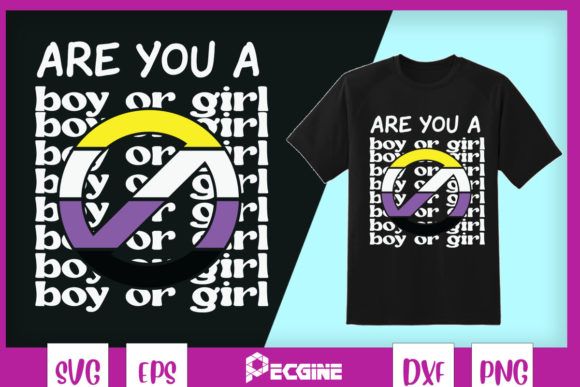
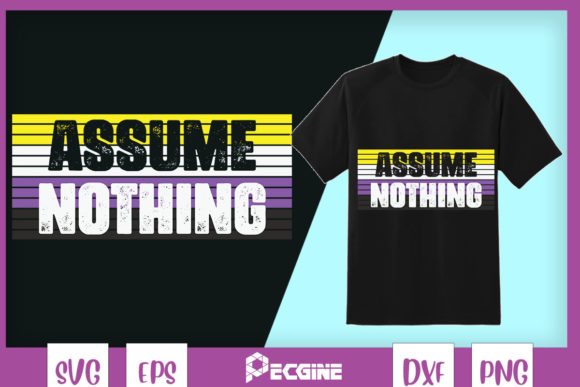
The moment I opened the ZIP file for Assume Nothing Nonbinary Flag Barcode, I was struck by its clean, modern aesthetic. The design is a bold statement—simple yet powerful. It combines the symbolism of the nonbinary flag with the precision of a barcode, creating a visual that feels both contemporary and meaningful. The layout is minimalistic, allowing the elements to speak for themselves without overwhelming the viewer.
A Design for Purpose and Expression
This design isn’t just about aesthetics; it’s about identity and representation. The nonbinary flag is a symbol of inclusivity and visibility, while the barcode adds a layer of technicality and modernity. Together, they create a motif that resonates with those who value both individuality and structure. It’s a design that could easily find its way into a custom t-shirt, a handmade tote bag, or even a personalized patch.
Real-Life Embroidery Use Cases
When thinking about real-world applications, the design feels versatile enough to fit into a variety of embroidery projects. For example, if I were preparing a custom embroidered sweatshirt for a client who identifies as nonbinary, this design would be an excellent choice. It’s not too busy, which makes it ideal for larger garments where detail can sometimes get lost.
It also works well on smaller items like embroidered patches or caps. The barcode element is subtle enough to maintain a sense of balance but still noticeable enough to convey the intended message. When applied to a baby item, such as a onesie or blanket, it carries a thoughtful and inclusive tone that parents might appreciate.
Considerations for Real-World Embroidery
However, there are a few things to consider before jumping into production. The design includes fine details, particularly in the barcode area. This means it may require careful attention when stitching, especially on fabrics with texture or stretch. Dark fabrics could make the design less visible unless thread color contrast is carefully chosen.
Additionally, the barcode’s intricate lines and small text might pose challenges in dense stitch areas. If the design is to be used on curved surfaces like hats or aprons, it’s important to ensure that the layout remains intact and doesn’t distort during the embroidery process. Testing on scrap fabric first is always a good idea, especially when working with complex designs like this one.
Design Quality and Practicality
The quality of the files included—SVG, PNG, DXF, and EPS—seems professional and well-organized. These formats are commonly used in embroidery design, so they should work well with most embroidery machines and software. However, it’s worth checking hoop size compatibility and stitch density settings before proceeding with a full project.
For someone running a small craft business or an Etsy shop, this design offers a great opportunity to offer something unique and meaningful. It can be used in printable mockups, digital product previews, and even as part of a branding strategy for a boutique or handmade shop. The design’s versatility makes it suitable for both personal and commercial use, as long as licensing terms are properly reviewed.
Stitching Clarity and Visual Appeal
One of the key factors in any embroidery project is how well the design translates from screen to fabric. The barcode pattern, while detailed, is clear and readable once stitched. The simplicity of the design allows it to stand out on a variety of backgrounds, whether light or dark. It’s also adaptable to different thread colors, making it a flexible option for various projects.
From a visual standpoint, the design has a strong presence. It’s not overly decorative, which means it won’t distract from the overall look of the finished product. Whether it’s a custom t-shirt, a holiday gift, or a personalized item, the design maintains its integrity and impact.
Handmade Product Considerations
As a handmade product, this design adds value through its meaning and uniqueness. It’s perfect for personalized gifts, such as embroidered pillow covers, tea towels, or even nursery decor. The design’s inclusivity makes it a thoughtful choice for gifts that carry emotional weight.
When creating handmade products, it’s essential to consider the final presentation. The design’s clarity and simplicity help maintain a professional look, which is especially important for small businesses or Etsy sellers looking to build trust with their customers.
Practical Designer Notes
Before using Assume Nothing Nonbinary Flag Barcode in a real project, I recommend testing it on scrap fabric to assess how it looks and performs. Check thread color contrast against the fabric, review stitch density settings, and confirm hoop size compatibility. It’s also wise to test the design in black and white mockups to ensure clarity.
Using proper stabilizer is crucial, especially for delicate or textured fabrics. Confirming licensing terms is another important step, particularly if you plan to sell finished products or digital assets. This design is a great addition to a craft business, but it’s important to understand the rules of use before moving forward.
Final Thoughts
Assume Nothing Nonbinary Flag Barcode is more than just a machine embroidery design—it’s a statement. Its thoughtful composition and meaningful symbolism make it a valuable asset for designers, small business owners, and crafters alike. Whether you’re creating a custom t-shirt, a holiday gift, or a boutique product, this design offers both practicality and purpose.