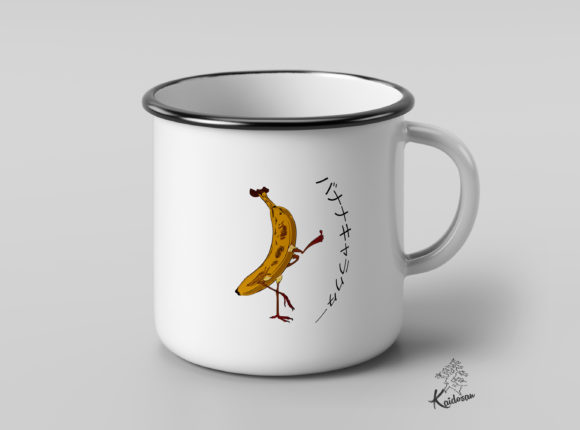
Banana
A Warm, Playful Addition to Your Embroidery Toolkit
As a designer who’s stitched through countless projects, I always approach new embroidery designs with a critical eye. The Banana illustration is no exception. It’s not just another graphic—it's a character that carries personality and potential. Before I dive into how it might perform in real-life embroidery scenarios, let me start by describing what first caught my attention.
The First Impression: A Bright, Wholesome Presence
The Banana design immediately evokes warmth and simplicity. Its shape is clean, with a natural curve that feels familiar yet stylized. The color palette leans toward soft yellows and greens, which give it a friendly, approachable vibe. There’s a subtle gradient in the peel that adds depth without overwhelming the design. This makes it feel like something you’d find on a child’s drawing pad or a cozy kitchen table.
What stands out is its balance of detail and simplicity. The fruit isn’t overly complex, but there are enough textures—like the slight wrinkling on the peel and the smoothness of the flesh—to make it visually engaging. It’s not just a flat image; it has a sense of presence that could translate well into an embroidered piece.
Where Does Banana Belong?
The Banana illustration is versatile, but it shines best in projects that lean into a casual, whimsical, or nature-inspired aesthetic. Think about custom apparel, like a sweatshirt or tote bag, where a playful touch can elevate the overall look. It also fits beautifully on items like baby clothes, caps, or aprons—areas where a gentle, cheerful design can make a big impact.
I imagine using it as a machine embroidery design for a personalized gift, such as a holiday ornament or a hand-stitched pillow cover. It could even work as an applique design on a fabric wall display or a patch for a craft fair booth. The key is to match the Banana’s tone with the product it’s going onto.
Testing Banana in Real Life
When considering the Banana for a real project, like a custom embroidered tote bag, I’d start by testing it on scrap fabric. This helps gauge how the design behaves under stitch. I’d check for thread color contrast, especially if using dark fabrics, and ensure the stitch density is appropriate for the material.
The design’s curved shape works well with rounded products like hats or caps, but I’d be cautious with small hoop sizes. The Banana may require more space than some standard hoops, so confirming the hoop size is essential before proceeding. Also, since it features detailed corners and a textured surface, using the right stabilizer will help maintain crisp lines and prevent puckering.
If I were creating a Banana applique for a baby item, I’d consider the fabric texture. Thin or stretchy materials might not hold up well to the design’s intricate details. Testing on different surfaces—like cotton, linen, or canvas—will reveal how the embroidery file performs in various environments.
Practical Design Notes for Using Banana
- Test on Scrap Fabric: Always try the design on a sample before committing to a finished product.
- Check Thread Color Contrast: Ensure the thread colors stand out against the background fabric.
- Review Stitch Density: Confirm the fill stitch and satin stitch settings match the design’s complexity.
- Confirm Hoop Size: Make sure the Banana fits comfortably within your machine’s capabilities.
- Inspect Small Details: Pay close attention to the running stitch and any decorative accents.
- Test in Black and White Mockups: This helps identify areas that might lose definition in monochrome.
- Compare Light and Dark Backgrounds: The Banana looks great on both, but each has its own advantages.
- Use Proper Stabilizer: Especially important for delicate or textured fabrics.
- Confirm Licensing: If selling finished items or digital products, verify the design assets are properly licensed.
Impact on Visual Appeal and Customer Trust
The Banana has the potential to enhance visual appeal, especially when paired with complementary elements. Its friendly presence can add charm to handmade products, making them more appealing to customers looking for unique, personalized gifts.
However, it’s important to remember that the Banana is a graphics design, not a full-fledged embroidery project. While it can be used as a standalone element, it may lack the depth of more complex illustrations. This means it should be used carefully in commercial settings, where brand consistency and professionalism matter.
For Etsy sellers or small shop owners, the Banana could serve as a signature element in a collection of custom apparel or personalized gifts. It offers a chance to create a cohesive brand identity while maintaining a playful, approachable tone.
Final Thoughts on Banana
In summary, the Banana illustration is a promising addition to any designer’s toolkit. It brings warmth, simplicity, and a touch of whimsy to a wide range of embroidery projects. Whether you’re crafting a holiday embroidery, a commercial embroidery piece, or a handmade product, this design has the potential to shine—if used thoughtfully.
Remember, the key to success lies in understanding the design’s strengths and limitations. Always test, review, and adapt based on the specific needs of your project. With the right approach, the Banana can become a standout feature in your next creative endeavor.